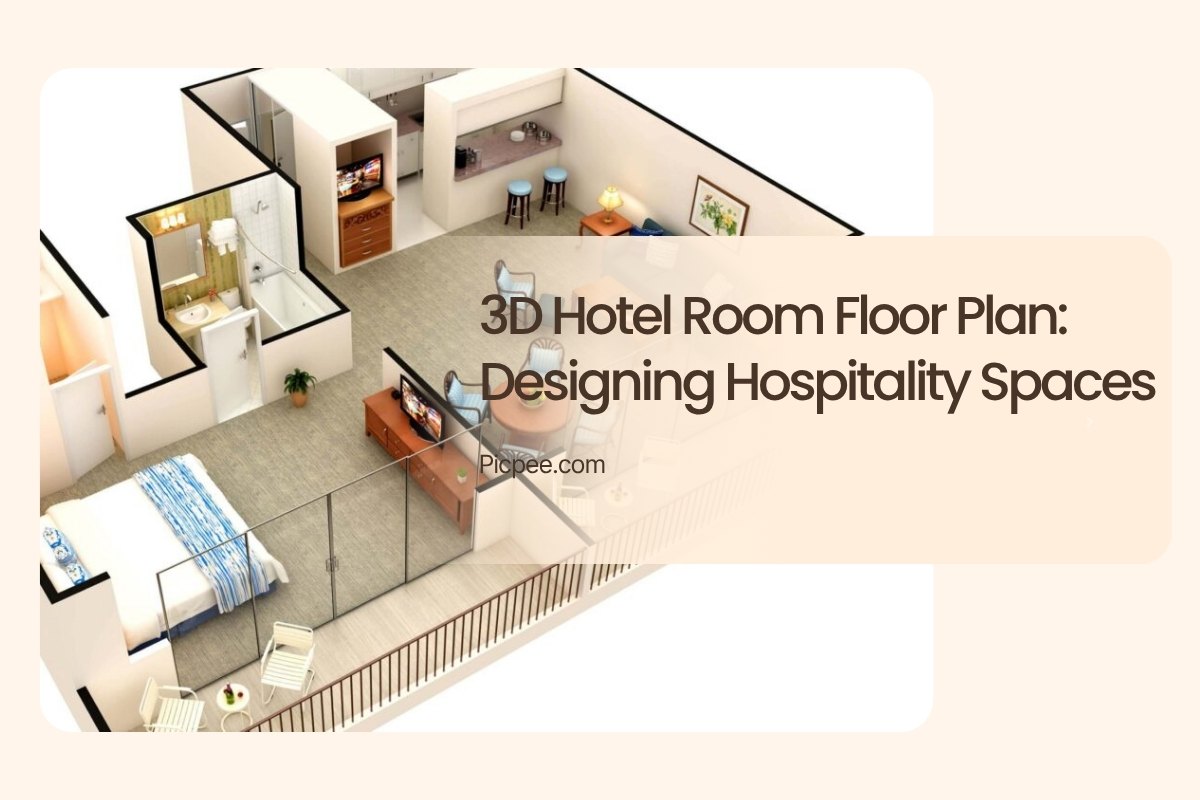
A well-designed 3D hotel room floor plan bridges the gap between imagination and construction, offering a realistic preview of the guest experience. Through advanced 3D visualization, architects and hoteliers can refine layouts, optimize furniture placement, and elevate interior aesthetics before the first brick is laid. Whether you manage a luxury resort, a boutique inn, or a budget-friendly lodge, 3D floor plans provide a powerful tool for smart decision-making, visual marketing, and exceptional guest satisfaction.
Elements of a Great 3D Hotel Room Floor Plan
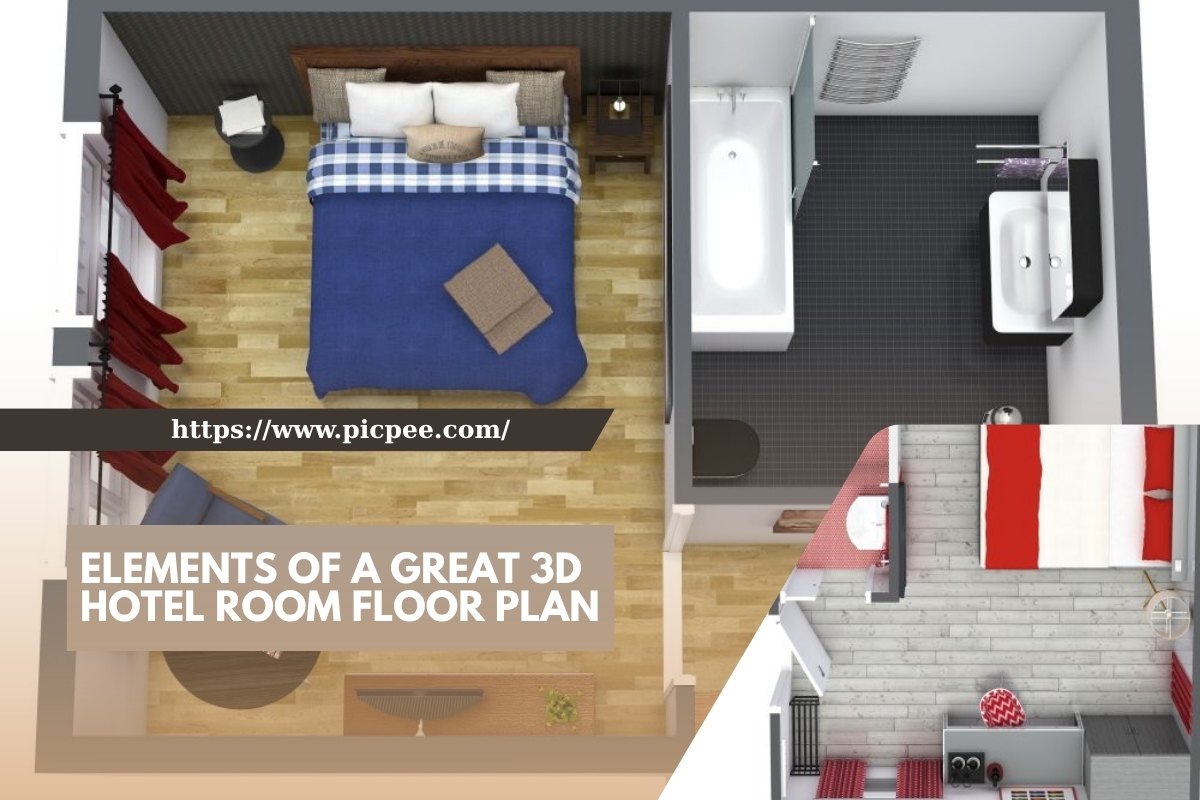
A successful 3D hotel room floor plan balances style, comfort, and functionality to create an inviting and efficient guest experience. Every design element — from layout to lighting — contributes to the overall mood and practicality of the space. A great floor plan isn’t just visually impressive; it enhances usability, supports brand identity, and ensures every guest feels relaxed and valued. Below are the essential elements that define an exceptional 3D hotel room design.
Functional Layout
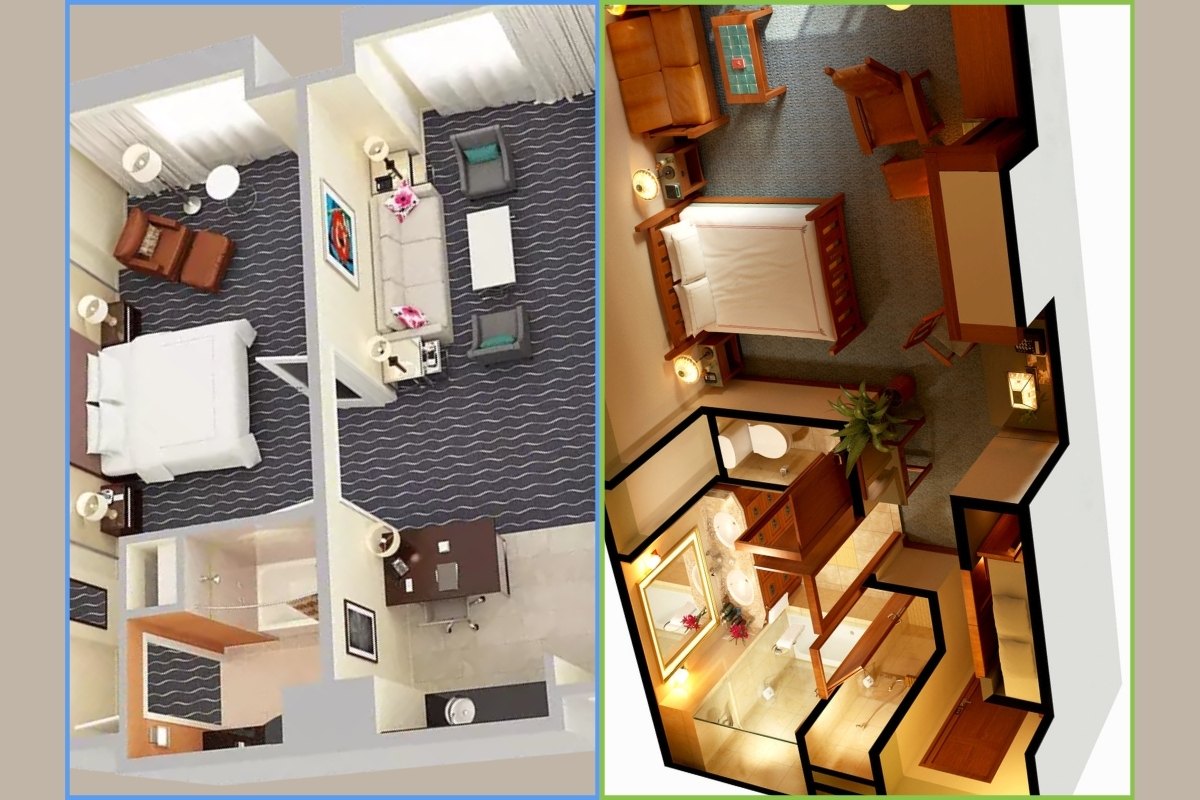
The layout forms the backbone of any hotel room design. A functional layout prioritizes comfort, accessibility, and smooth movement for both guests and housekeeping staff. The best layouts consider not only aesthetics but also how people use the space daily.
Tips for achieving a great layout:
- Position the bed strategically: Place the bed to capture natural light or scenic views, giving guests an instant sense of luxury.
- Separate zones efficiently: Keep the bathroom close for convenience, but ensure it’s acoustically and visually separated for privacy.
- Optimize traffic flow: Design smooth circulation paths between the entrance, bed, and workspace to prevent congestion.
- Include flexible furniture: Use modular or multi-purpose furniture to adapt to different guest needs and maximize space efficiency.
A thoughtful layout ensures that your 3D floor plan not only looks stunning but also functions seamlessly in real-world operations.
Lighting and Ambience
Lighting is one of the most important elements in a hotel room — it defines mood, highlights design details, and enhances overall comfort. A 3D floor plan allows designers to simulate and test different lighting scenarios before implementation.
Suggestions for effective lighting:
- Blend natural and artificial light: Use large windows or glass panels for daytime brightness, complemented by layered artificial lighting for nighttime warmth.
- Design with zones in mind: Apply warm tones in rest areas for relaxation, and cooler, brighter lights in workspaces for focus.
- Test light behavior in 3D: Adjust the direction, color temperature, and intensity in your 3D software to preview how light interacts with materials and colors.
- Don’t forget accent lighting: Add decorative lamps, LED strips, or wall sconces to create atmosphere and enhance perceived luxury.
Proper lighting transforms your 3D hotel room visualization from flat and static to dynamic and emotionally engaging.
Materials and Textures
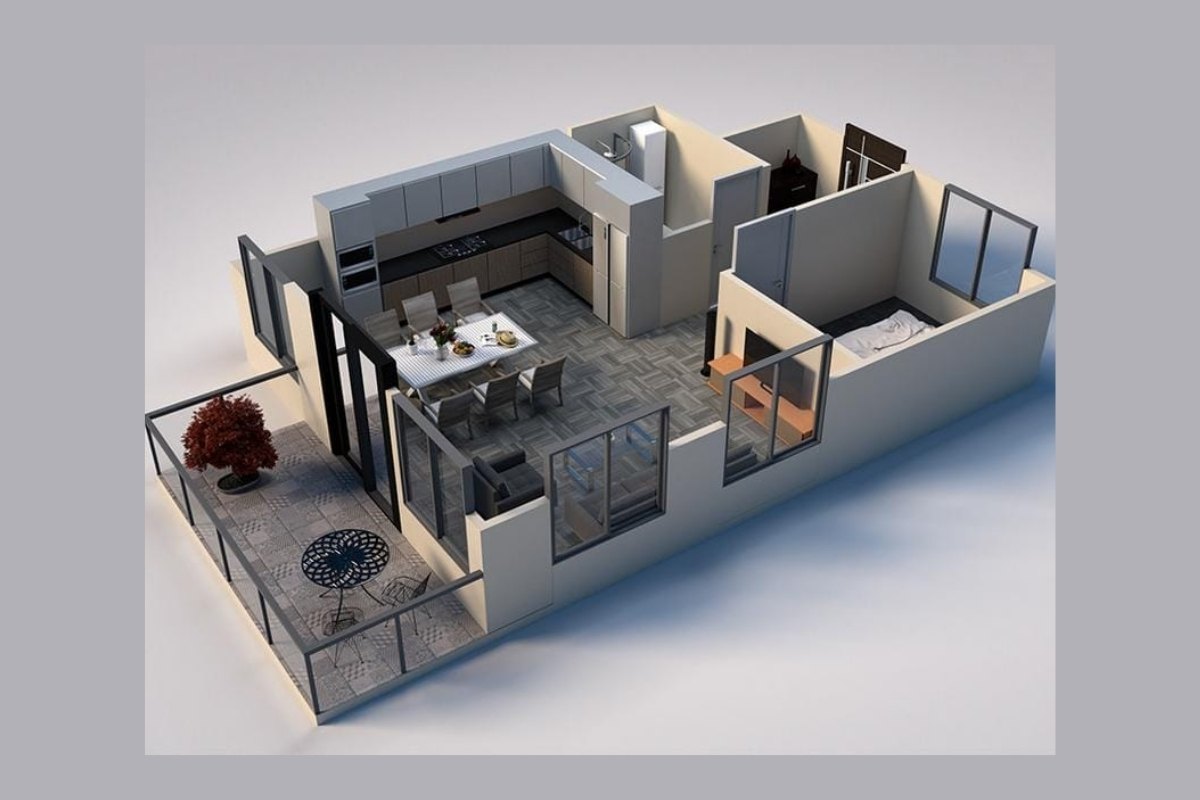
In hotel design, materials and textures play a crucial role in setting the tone and durability of the room. Through 3D modeling, designers can experiment with various surfaces and finishes before choosing the best combination.
Examples of smart material choices:
- Flooring: Hardwood, laminate, or high-quality vinyl flooring for elegance and easy maintenance.
- Walls and finishes: Neutral wall tones paired with subtle patterns to evoke calmness and sophistication.
- Fabrics: Soft textiles like linen or velvet add comfort, while durable fabrics ensure longevity.
- Texture contrast: Mix smooth and matte finishes to create depth and visual balance.
By visualizing textures in 3D, hoteliers can strike the right balance between aesthetic appeal and practical maintenance, ensuring a long-lasting and attractive environment.
Smart Technology Integration
Modern travelers expect convenience, personalization, and smart functionality. Integrating technology into your 3D hotel room floor plan ensures that your design reflects contemporary hospitality standards.
Smart design ideas:
- Keyless entry systems: Include digital door locks for seamless access and security.
- Automated controls: Integrate lighting, temperature, and curtain systems into a centralized smart panel.
- Hidden tech aesthetics: Design outlets, charging ports, and smart hubs subtly to preserve the room’s visual harmony.
- Virtual previews: Use 3D visualization to show how guests can interact with technology during their stay.
Smart integration not only modernizes your design but also positions your hotel as forward-thinking, tech-savvy, and customer-focused.
Types of 3D Hotel Room Floor Plans
Not all hotel rooms are created equal — each serves a specific guest demographic and purpose. Creating distinct 3D hotel room floor plans allows designers and hotel owners to visualize how different layouts can enhance the guest experience and reflect the brand’s positioning. Whether your focus is on efficiency, luxury, or creativity, 3D visualization helps you fine-tune every detail before construction. Below are the most common types of hotel room floor plans and their unique characteristics.
Standard Hotel Room
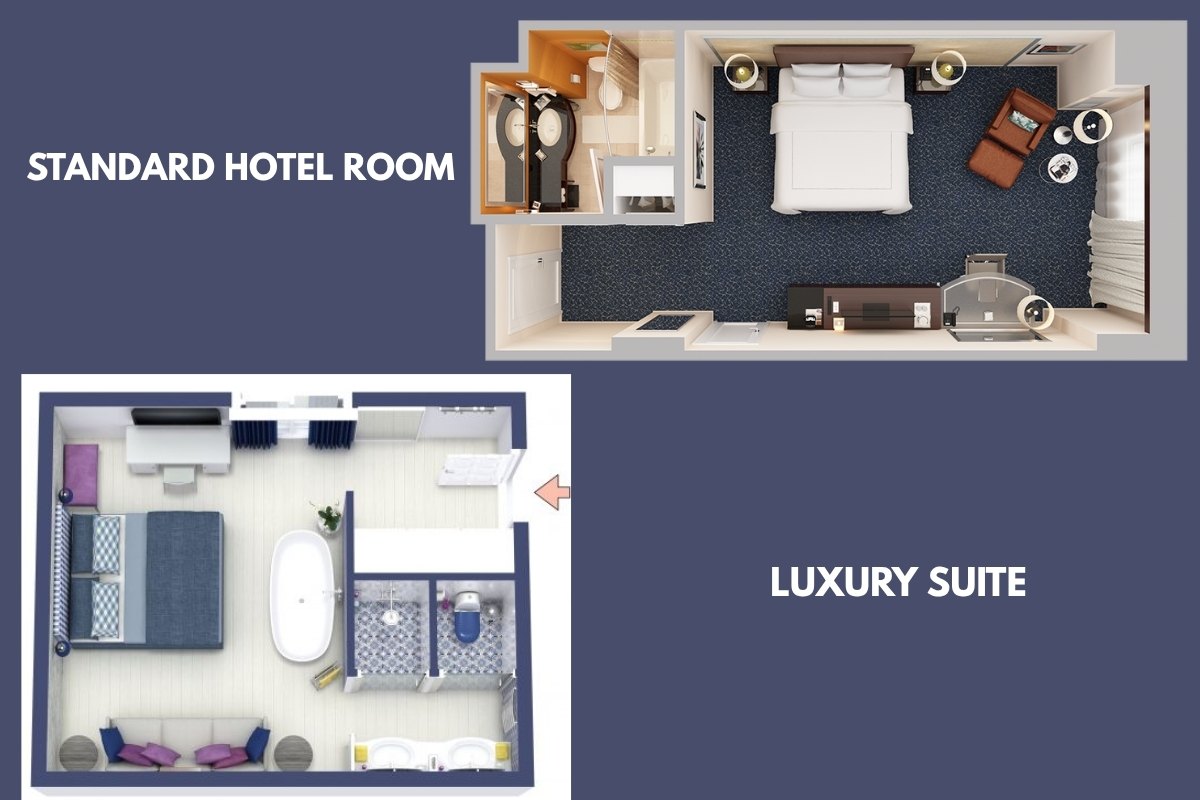
A standard hotel room is the foundation of most hospitality properties. It’s designed to offer comfort, practicality, and affordability for short-term stays — making it ideal for business travelers or tourists seeking convenience.
Key characteristics:
- Compact and efficient layout: Typically includes a bed, bathroom, small desk, and storage area.
- Balanced design: Prioritizes functionality without unnecessary embellishment.
- Smart space usage: Every corner serves a purpose — from foldable furniture to built-in storage.
- Simple visual tone: Neutral color schemes and minimal décor enhance the sense of cleanliness and calm.
A 3D floor plan of a standard room allows hoteliers to test different furniture placements, wall textures, and lighting setups before finalizing construction.
Luxury Suite
The luxury suite represents the pinnacle of comfort and sophistication. These spaces often include multiple functional zones, providing guests with a sense of exclusivity and indulgence.
Main design features:
- Zoned areas: Separate bedroom, lounge, and entertainment or dining space.
- High-end materials: Marble floors, designer furnishings, and elegant lighting fixtures.
- Enhanced privacy: Strategic partitioning or spatial flow to create a private retreat within the suite.
- Personalized experience: Integrated smart controls, luxury amenities, and tailored interior themes.
With 3D visualization, designers can experiment with luxurious finishes, adjust lighting to create ambiance, and refine each detail to reflect the brand’s signature style.
Family Room
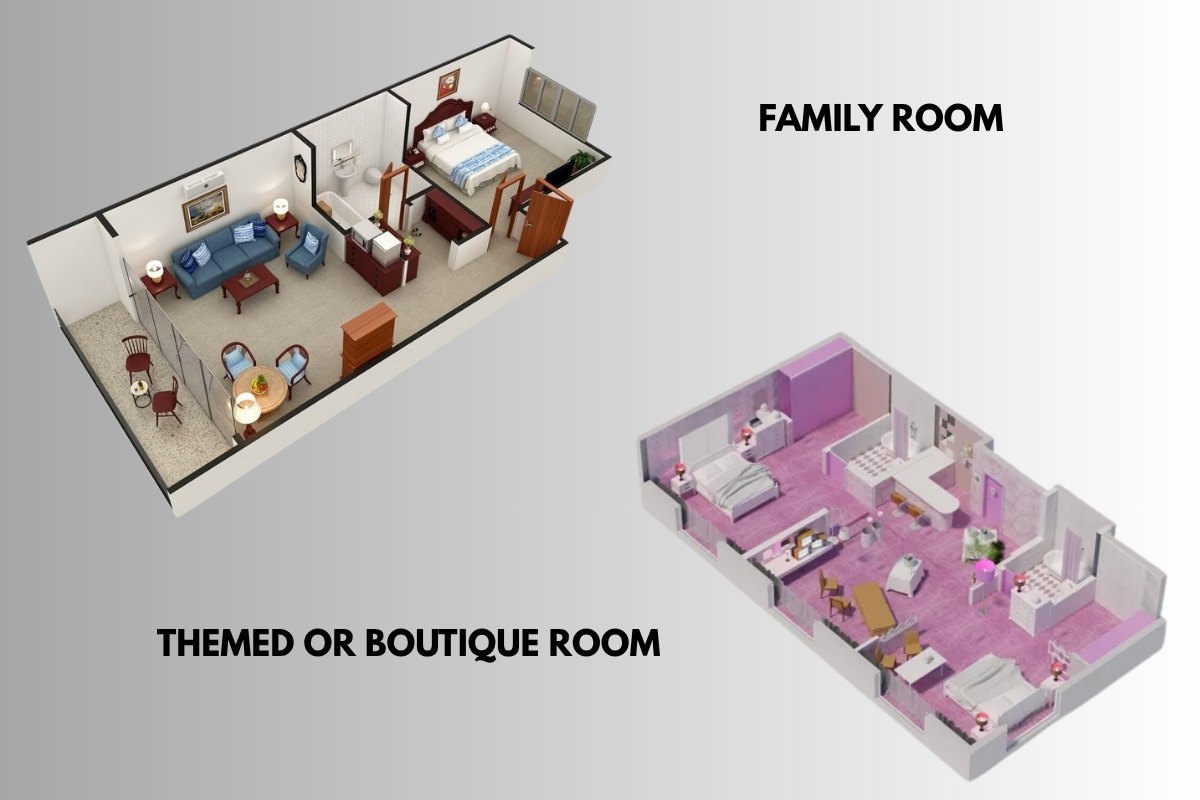
Family hotel rooms cater to groups or parents traveling with children, requiring thoughtful planning to balance space, comfort, and safety.
Distinctive features:
- Spacious design: More open area for movement and relaxation.
- Multiple sleeping zones: Incorporates additional beds, bunk beds, or sofa beds.
- Smart storage: Built-in closets, under-bed drawers, or multi-use furniture to minimize clutter.
- Safety-focused design: Rounded edges, secured outlets, and family-friendly materials.
A 3D floor plan enables designers to visualize how families interact with the room, ensuring convenience without compromising style. It also helps hoteliers communicate these features visually to attract family travelers online.
Themed or Boutique Room
A themed or boutique hotel room showcases creativity and storytelling through design. It’s where brand identity, culture, and emotion merge to deliver a memorable guest experience.
Core elements:
- Unique concept: Each room has a distinct personality — inspired by art, nature, culture, or history.
- Bold materials and décor: Custom furniture, lighting, and wall textures align with the chosen theme.
- Immersive atmosphere: Color palettes, patterns, and props work together to create a cohesive experience.
- Instagram-worthy visuals: The striking design enhances marketing value and social media appeal.
Using 3D modeling tools, designers can test lighting, color contrast, and thematic elements to ensure that every corner contributes to the room’s storytelling — before a single item is purchased or built.
Conclusion
A 3D hotel room floor plan isn’t just a design tool — it’s a bridge between creativity, efficiency, and hospitality excellence. From planning to marketing, it delivers clarity and confidence at every stage. By visualizing every detail in 3D, hoteliers can bring their visions to life through precise, visually stunning designs that captivate guests long before they check in.


 Single Exposure
 Room Cleaning
 Reels
Reels Blended Brackets (HDR)
 Changing Seasons
 Slideshows
 Flambient
 Water in Pool
 Individual
 360° Image Enhancement
 Lawn Replacement
 Team
Team Virtual Staging
 Rain to Shine
 Add Person
 Remodel
 Custom 2D
 Remove Person
 360° Image
 Custom 3D
 Background Replacement
 Day to Dusk
 Property Video
 Cut Outs
 Day to Twilight
 Walkthrough Video
 Change color